
Cetirizine and Loratadine are antihistamines used for allergic rhinitis, sneezing, watery eyes, itchy skin and hives. They have similar indications and usually provide relief for up to 24 hours, but they may differ in how quickly they work, how likely they are to cause drowsiness and how they should be used.
It is therefore impossible to say that one medicine is always better than the other. The choice depends on allergy symptoms, the patient’s age, individual tolerance, liver and kidney function, and whether the person needs to drive or perform tasks requiring concentration.
Cetirizine or Loratadine: which is better for allergies?
Some people may feel the effects of Cetirizine sooner, although it is slightly more likely to cause drowsiness. Loratadine usually has less effect on alertness and concentration, so it may be more convenient for daytime use.
Effectiveness varies between individuals: a medicine that works well for one person may be less effective for another.
Both medicines are second-generation antihistamines that block H1 histamine receptors. This helps reduce a runny nose, itching, sneezing, watery eyes and skin symptoms caused by allergies.
These medicines relieve symptoms but do not eliminate the underlying cause of an allergy. They are also not suitable for self-treatment of a severe allergic reaction involving breathing difficulty, widespread swelling, sudden weakness or a fall in blood pressure.
What is the difference between Cetirizine and Loratadine?
| Criterion | Cetirizine | Loratadine |
|---|---|---|
| Drug class | Second-generation antihistamine | Second-generation antihistamine |
| Main effect | Reduces a runny nose, sneezing, itching, watery eyes and hives | Reduces a runny nose, sneezing, itching, watery eyes and hives |
| Onset of action | Some patients may notice the effect relatively quickly | The effect also develops within the first few hours after taking it |
| Duration of action | Usually suitable for once-daily use | Usually suitable for once-daily use |
| Drowsiness | Possible and reported somewhat more often | Usually less common, although the risk is not completely absent |
| Special precautions | Kidney or liver disease and the use of sedating medicines | Liver or kidney disease and exceeding the recommended dose |
| Use in children | The minimum age depends on the dosage form and product instructions | The minimum age depends on the dosage form and product instructions |
How Cetirizine works
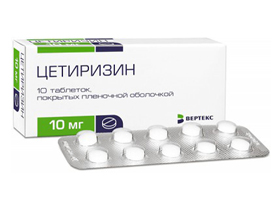
Cetirizine blocks peripheral H1 histamine receptors and helps reduce symptoms of seasonal and perennial allergic rhinitis, itching and hives.
Some people may notice relief relatively quickly. However, sensitive patients may experience tiredness, slowed reactions or drowsiness.
How Loratadine works
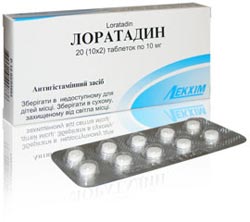
Loratadine also blocks H1 histamine receptors and is used for allergic rhinitis and hives. It may reduce sneezing, nasal discharge, itching in the nose and throat, watery eyes and itchy skin rashes.
One of its characteristics is a relatively low risk of marked drowsiness when taken at the recommended dose. However, an individual reaction is still possible.
The active substance is converted in the body into an active metabolite. People with liver disease should therefore ask a doctor to determine the appropriate treatment schedule.


Which is stronger: Cetirizine or Loratadine?
There is no universal answer. The effectiveness of an antihistamine depends on the type of allergy, the severity of symptoms and individual sensitivity.
Cetirizine may effectively reduce itching and hives, but its potential benefit should be balanced against the risk of drowsiness. Loratadine may also control symptoms well and can be more convenient for daytime use.
If treatment does not help, do not increase the dose or add another antihistamine without medical advice. A doctor should review the diagnosis and treatment plan.
Which is better for allergic rhinitis?
For mild allergic rhinitis, both medicines may reduce sneezing, itching, clear nasal discharge and watery eyes. The choice often depends on individual tolerance.
- Cetirizine may be convenient when relatively fast relief of sneezing, itching and nasal discharge is important.
- Loratadine may be more suitable for people who need to remain alert and focused throughout the day.
Tablets alone may not be sufficient for significant nasal congestion. In such cases, a doctor may recommend local nasal treatment. Decongestant nasal drops should not be used for long periods without medical advice.
Which is better for hives and itchy skin?
Second-generation antihistamines are used for the symptomatic treatment of hives. They may reduce itching, redness and the formation of raised wheals.
The choice of medicine depends on effectiveness and tolerance. Recurrent or persistent rashes should be assessed by a doctor.
Swelling of the tongue, lips or throat, a hoarse voice, breathing difficulty, dizziness or sudden weakness require urgent medical attention.
Which medicine is less likely to cause drowsiness?
Loratadine causes drowsiness less often on average than Cetirizine. This may be important for drivers and people whose work requires a high level of concentration.
However, either medicine may affect an individual patient. Alcohol, sleeping tablets and sedatives may increase drowsiness.
After the first dose, make sure the medicine does not impair attention or reaction speed.
Cetirizine or Loratadine for children
Both active ingredients are available in paediatric medicines, but age restrictions depend on the dosage form, concentration and instructions for the specific product.
The dose is determined according to age and, in some situations, body weight. An adult tablet should not be divided or a syrup used without checking the concentration of the active ingredient.
It is advisable to consult a paediatrician before giving an antihistamine to a young child or after a first episode of a significant allergic reaction.
Can Loratadine be replaced with Cetirizine?
In many cases, one medicine may be replaced by the other because they belong to the same therapeutic group and have similar indications. However, their doses and instructions for use may differ.
Before switching, consider:
- the patient’s age;
- the dose of the active ingredient;
- liver and kidney function;
- pregnancy or breastfeeding;
- other medicines being taken;
- whether previous treatment caused drowsiness.
If the medicine was prescribed for long-term treatment, discuss any replacement with a healthcare professional.
Can Cetirizine and Loratadine be taken together?
Taking these medicines together without medical advice is not recommended. Combining them does not necessarily improve the therapeutic effect, but it may increase the risk of adverse reactions.
If treatment is not effective enough, a doctor may adjust the dose or choose another treatment plan after assessing the symptoms and diagnosis.
Side effects
Possible side effects of Cetirizine
- drowsiness and tiredness;
- headache or dizziness;
- dry mouth;
- gastrointestinal discomfort;
- rarely, a hypersensitivity reaction.
Possible side effects of Loratadine
- headache;
- dry mouth;
- tiredness;
- drowsiness, especially if the recommended dose is exceeded;
- rarely, an allergic reaction to the ingredients.
The exact list of adverse reactions depends on the specific medicine and is provided in its official product information.
Who should consult a doctor?
Medical advice is especially important before using antihistamines in the following situations:
- pregnancy or breastfeeding;
- liver or kidney disease;
- young children;
- use of sleeping tablets or sedatives;
- frequent or persistent episodes of hives;
- no improvement during treatment;
- an unclear cause of a rash or swelling.
Breathing difficulty, swelling of the tongue or throat, severe weakness, loss of consciousness or other signs of a serious allergic reaction require urgent medical attention.
Which should you choose: Cetirizine or Loratadine?
The choice should take into account not only expected effectiveness but also tolerance and the patient’s daily activities.
- Cetirizine may be suitable when relatively fast relief of itching, a runny nose, sneezing or hives is needed and the medicine does not cause significant drowsiness.
- Loratadine may be more convenient for daytime use when maintaining alertness and concentration is particularly important.
It is impossible to predict with certainty which medicine will be more effective for a specific person. The best option may become clear only after assessing the individual response to treatment.
If you are unsure which medicine may be suitable for you or your child, ask an Allmed medical professional. Age, symptoms, underlying conditions and other medicines may all be relevant.
Ask a doctor onlineFrequently asked questions
Some patients may notice the effect of Cetirizine sooner. However, the actual onset depends on the individual response, dosage form and severity of the allergy.
Both medicines may be used for hives. The choice depends on effectiveness and tolerance. Recurrent or chronic symptoms should be assessed by a doctor.
Two antihistamines should not be combined within the same day without medical advice. This may increase the risk of side effects without providing additional benefit.
Loratadine is generally less likely to cause drowsiness, although either medicine may affect an individual patient. After the first dose, make sure it does not impair attention.
Alcohol may increase drowsiness and reduce concentration, particularly when Cetirizine is used. It is safer to avoid alcoholic drinks during treatment.
The duration depends on the diagnosis. Seasonal allergies may require treatment during allergen exposure, while chronic hives may require longer therapy. Long-term treatment should preferably be supervised by a doctor.
What research shows
Current guidelines consider oral antihistamines one of the treatment options for allergic rhinitis. The choice of medicine should take into account effectiveness, safety, tolerance, availability and the patient’s needs.
Comparative evidence suggests that Cetirizine may reduce allergy symptoms relatively quickly, although it is associated with drowsiness more often than Loratadine.
Second-generation antihistamines are used as first-line treatment for hives. If the effect is insufficient, changes to the dose or treatment plan should be made by a doctor.
Sources
- DailyMed. Cetirizine Hydrochloride: official medicine information
- DailyMed. Loratadine: official medicine information
- NHS. Antihistamines
- NHS. Common questions about Cetirizine
- ARIA–EAACI. Recommendations for the treatment of allergic rhinitis
- Best use of antihistamines in allergic rhinitis
- H1-antihistamines for chronic spontaneous urticaria